Archives
- 2026-10
- 2026-09
- 2026-08
- 2026-07
- 2026-06
- 2026-05
- 2026-04
- 2026-03
- 2026-02
- 2026-01
- 2025-12
- 2025-11
- 2025-10
- 2025-09
- 2025-03
- 2025-02
- 2025-01
- 2024-12
- 2024-11
- 2024-10
- 2024-09
- 2024-08
- 2024-07
- 2024-06
- 2024-05
- 2024-04
- 2024-03
- 2024-02
- 2024-01
- 2023-12
- 2023-11
- 2023-10
- 2023-09
- 2023-08
- 2023-06
- 2023-05
- 2023-04
- 2023-03
- 2023-02
- 2023-01
- 2022-12
- 2022-11
- 2022-10
- 2022-09
- 2022-08
- 2022-07
- 2022-06
- 2022-05
- 2022-04
- 2022-03
- 2022-02
- 2022-01
The Nagoya Heart Study enrolled patients with hypertension a
2024-10-15
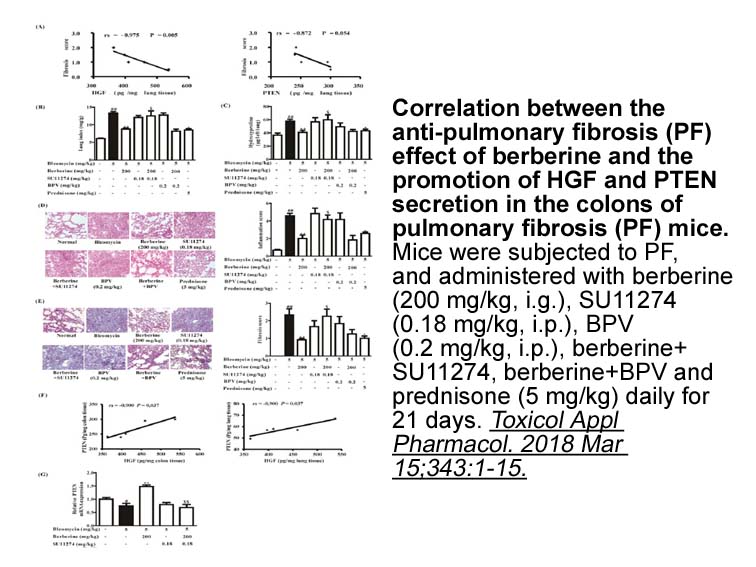
The Nagoya Heart Study enrolled patients with hypertension and type 2 diabetes or impaired Pefloxacin tolerance (12). Patients were randomized to valsartan- or amlodipine-based regimens with a BP target of ≤130/80 mmHg. The primary outcome was a composite of sudden cardiac death, myocardial infarct
In the MT SGL two regularization
2024-10-15
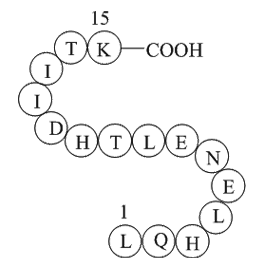
In the MT-SGL, two regularization parameters need to be specified: λ1 and λ2. Using recent results on norm regularization (Banerjee et al., 2014), it is possible to express both parameters via a single parameter as follows: and (Meier et al., 2008, Banerjee et al., 2014), where and are computed
nrf2 keap1 br Materials and Methods br Results A total of NS
2024-10-15
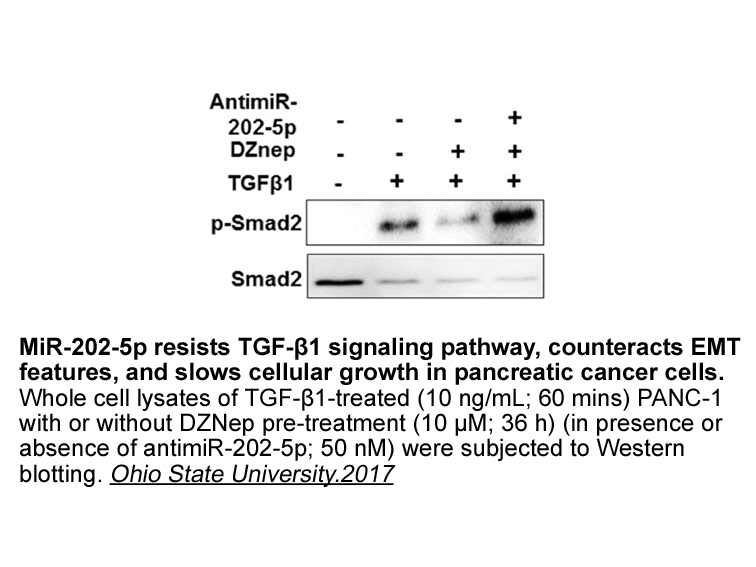
Materials and Methods Results A total of 28 NSCLC tumor samples from 26 patients (2 patients with paired tumor samples) were included. According to the initial FISH (Abbott Molecular probes) and IHC results, 13 samples were ALK IHC+FISH+, 5 samples were ALK IHC+FISH−, 2 samples (from the same
AdipoRon acts on the anti
2024-10-15
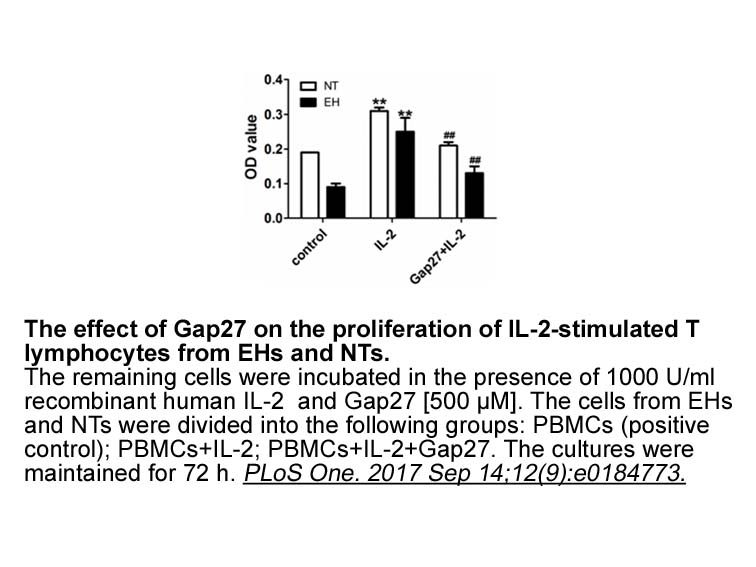
AdipoRon acts on the anti-diabetic effects of adiponectin, exhibiting its effect through the activation of AMPK and PPARα pathways via AdipoR1 and AdipoR2, respectively [23]. AdipoR activation is a promising treatment for diabetes, nonalcoholic fatty liver disease, and cardiovascular disease, demons
Tension within the network could be explained by two potenti
2024-10-15
Tension within the network could be explained by two potential mechanisms: the more classical contractility that is dependent on motor proteins that are pulling Hydrochlorothiazide filaments towards each other [10]; or contractility that is caused by disassembly of a crosslinked network of actin fil
The geometry of two three
2024-10-15
The geometry of two, three, four and five 6015 neutral radical ACh molecule complexes with various electronic configurations, i.e. with various multiplicities equal to 1, 2 and 4 (for ACh trimer) were determined using DFT with the unrestricted B97d/SVP potential/basis set in Gaussian09 program packa
The next level of possible correlation
2024-10-15
The next level of possible correlation and comparison between the α7 and 5HT3 receptors is at the subunit arrangement and protein folding. Crystal structures of the nicotinic and serotoninergic norepinephrine bitartrate sale receptors [45], [46] reinforced the concept of similarities between these
The structures of these compounds were confirmed from their
2024-10-15
The structures of these compounds were confirmed from their spectral and micro analytical data. Based on [M + H] 367, molecular formula of was established as CHON. The IR spectrum of showed Carbetocin receptor due to CO stretching at 1700 Cm & OH stretching at 3188 Cm indicating that compound con
Compounds are representatives of an array of MBG targets
2024-10-15
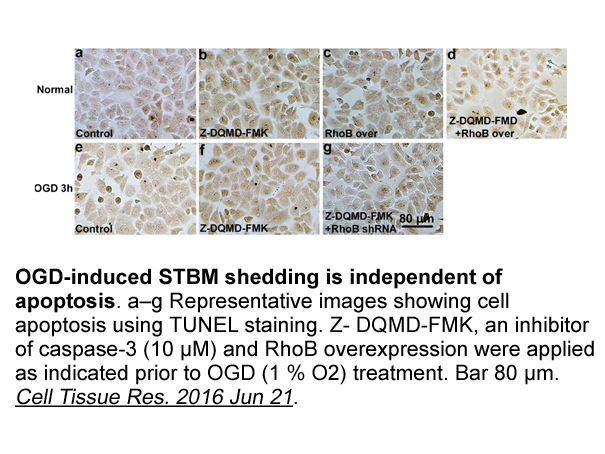
Compounds – are representatives of an array of MBG targets (, ) related to imidazole standard that were synthesized and initially tested in a rat CYP17 lyase screening assay (). The inhibitors were synthesized as racemates by coupling of 6,7-dimethoxy-naphthalene-2-isopropyl ketone with the requisi
Previously several genes such as cytokine Lyu
2024-10-15
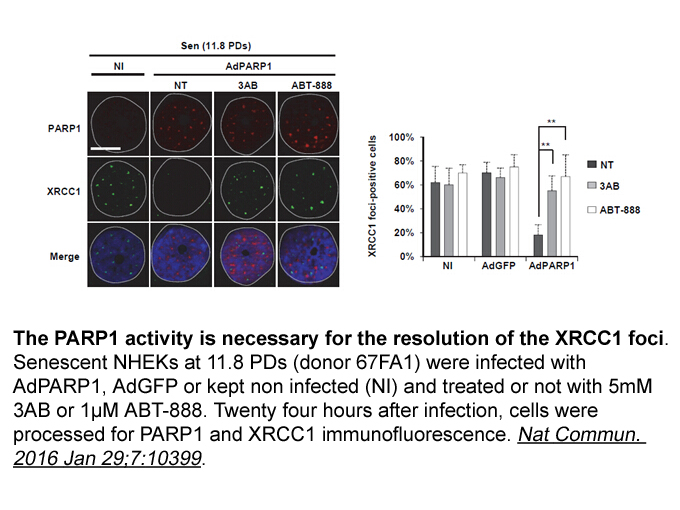
Previously, several genes such as cytokine (Lyu and Park, 2007), cell motility-associated genes (Schotterl et al., 2017), transforming growth factor-β (TGF-β), TGF-β receptor II which is a cell surface receptor with serine/threonine kinase activity (Jiang et al., 2014, Schotterl et al., 2017), cell
To evaluate the ability of both sets of compounds
2024-10-14
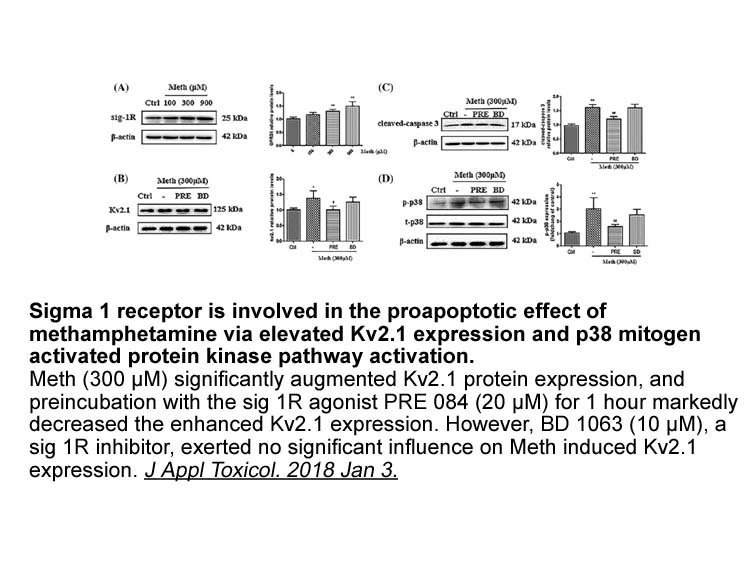
To evaluate the ability of both sets of compounds to inhibit the activity of 15-LOX an initial screen was performed, whose results are shown in . The comparison of inhibition values would seem to indicate that, in the HYD series, an electron donor group at the position increases and an electron at
The known crystal structures of
2024-10-14
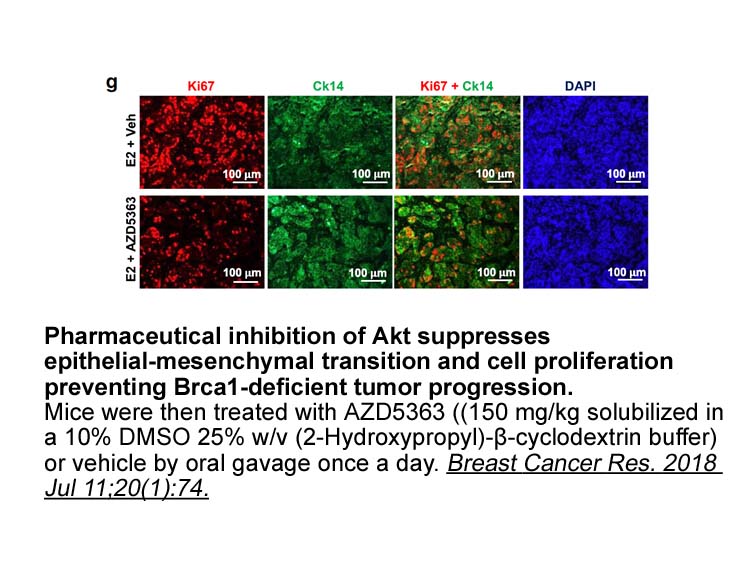
The known crystal structures of class C GPCR VFTs do not include attached TM domains, therefore current conformational data may not accurately reflect the dynamics of extracellular domains in full-length receptors. Nevertheless, compelling mechanisms of signal transduction can still be postulated. S
m-Chlorophenylbiguanide hydrochloride mg Several alterations
2024-10-14
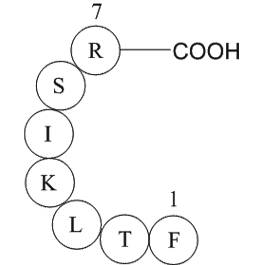
Several alterations have been or can be associated to the decreased tolerance of steatotic liver to I/R injury. Previous studies demonstrated that upregulation of the mitochondrial uncoupling protein-2 (UP2) is strictly related to the increase of I/R injury in steatotic liver [4]. UPR induction is c
In conclusion we report that the
2024-10-14
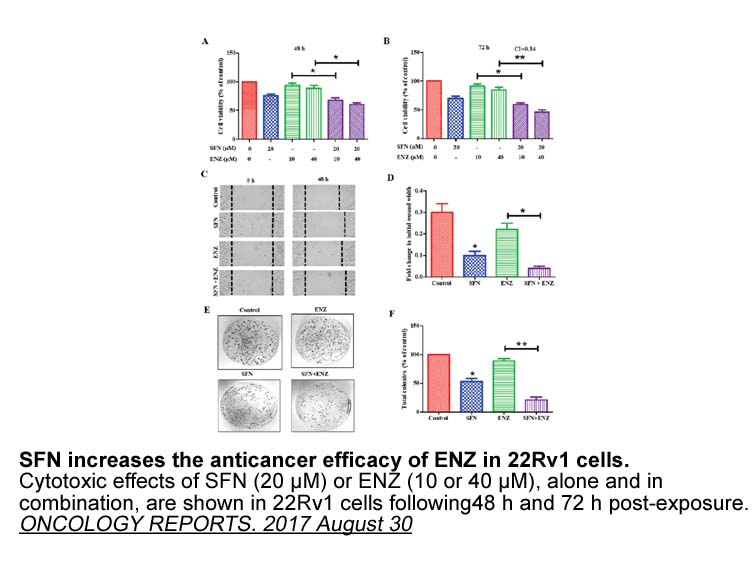
In conclusion, we report that the widely prescribed drug VPA exerts therapeutic effects on optic nerve demyelination and retinal degeneration in a mouse model of MS. Our findings raise an interesting possibility that combination therapy of VPA and ASK1 inhibition may be useful for treatment of auto
Thirdly and finally multiple studies
2024-10-14
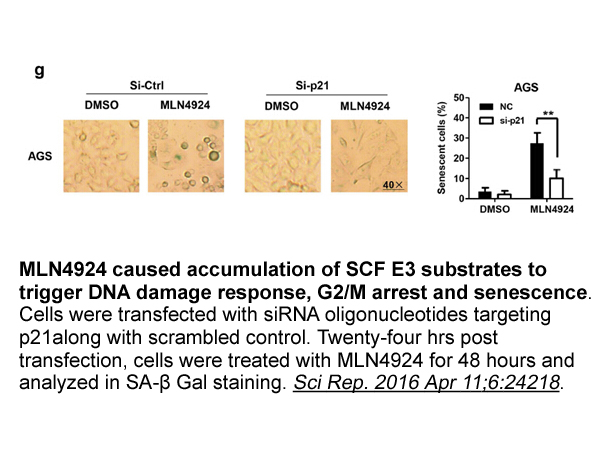
Thirdly and finally, multiple studies have analyzed the activation of neurons in the auditory telencephalic areas of songbirds in response to various auditory stimuli. Neuronal activation was identified by the increased expression of immediate early genes such as fos or ZENK (also know as zif-268, e
8149 records 109/544 page Previous Next First page 上5页 106107108109110 下5页 Last page