Archives
- 2026-10
- 2026-09
- 2026-08
- 2026-07
- 2026-06
- 2026-05
- 2026-04
- 2026-03
- 2026-02
- 2026-01
- 2025-12
- 2025-11
- 2025-10
- 2025-09
- 2025-03
- 2025-02
- 2025-01
- 2024-12
- 2024-11
- 2024-10
- 2024-09
- 2024-08
- 2024-07
- 2024-06
- 2024-05
- 2024-04
- 2024-03
- 2024-02
- 2024-01
- 2023-12
- 2023-11
- 2023-10
- 2023-09
- 2023-08
- 2023-06
- 2023-05
- 2023-04
- 2023-03
- 2023-02
- 2023-01
- 2022-12
- 2022-11
- 2022-10
- 2022-09
- 2022-08
- 2022-07
- 2022-06
- 2022-05
- 2022-04
- 2022-03
- 2022-02
- 2022-01
br Introduction The traditional Chinese medicine
2024-06-13
Introduction The traditional Chinese medicine (TCM), Ganoderma (G.) lucidum Karst is a well-known mushroom which has been used clinically in some Asian countries. It is termed “Lingzhi” in China, “Reishi” in Japan and “Yeongji” in Korea. It has long been used in TCM for the promotion of longevity
Vortioxetine is a multimodal antidepressant that acts as
2024-06-13
Vortioxetine is a multimodal antidepressant that acts as an inhibitor at the serotonin (5-HT) transporter (SERT), an agonist at 5-HT1A receptors, a partial agonist at 5-HT1B receptors, and an antagonist at 5-HT1D, 5-HT3 and 5-HT7 receptors (Bang-Andersen et al., 2011, Sanchez et al., 2015). Based on
The purpose of the present
2024-06-13
The purpose of the present study is (1) to characterize AChE from the monogonont B. koreanus and to analyze the modulation of the AChE activity and its transcription level after exposure to six pharmaceuticals, (2) to evaluate the usefulness of AChE as a molecular biomarker upon pharmaceutical expos
The extent to which GPCR oligomerization is a
2024-06-12
The extent to which GPCR oligomerization is a regulated process still remains unclear. Reported effects of ligands on both GPCR homo- and heteromers are highly variable and depend on GPCR subtypes and the specific ligand used. According to our data, chronic treatment of mice with both paroxetine or
A role for YAP in mediating resistance to EGFR
2024-06-12
A role for YAP in mediating resistance to EGFR inhibition has also been described [28], [29]. In line with these evidences, we observed increased YAP activation in all the generated EGFR TKI–resistant cells, testified by decreased phosphorylation on the inhibitory serine 127, enhanced nuclear locali
br Materials and methods br
2024-06-12
Materials and methods Results Discussion The success of CAR-T cell therapy is based on two major facts: one is that cancer cells express tumor-associated antigens (TAAs) on their surface that can be detected by the human immune system; the other is that the CAR molecules target these TAAs o
Our current knowledge on autophagy
2024-06-12
Our current knowledge on autophagy broadly differentiates it into three types: macroautophagy, microautophagy, and chaperone-mediated autophagy. Macroautophagy mainly involves the sequestration of cytoplasmic contents in a double-walled membrane followed by the fusion with the lysosomes. The lysosom
br ACL Regulation and Role in Lipid Metabolism
2024-06-12
ACL Regulation and Role in Lipid Metabolism ACL is a ubiquitous enzyme at the nexus of nutrient catabolism and synthesis of cholesterol and fatty acids. In mammals, it is highly expressed in lipogenic tissues including adipose, liver, and lactating mammary glands [9]. In the presence of ATP and C
We wanted to investigate the influence of substituents on
2024-06-12
We wanted to investigate the influence of substituents on the pyrazole ring on the activity, but only a few substituted pyrazole-3-carboxylic acids/esters were commercially available in useful amounts at a reasonable price, for example, 4- and 5-nitro-pyrazole-3-carboxylic acid. The preparation of 4
A third motif involves the
2024-06-12
A third motif involves the toggle switch and consists of the conserved FxxCWxP sequence in TM6 of class A GPCRs (Hofmann et al., 2009, Rosenbaum et al., 2009). Rotamerization of Trp in combination with a kink caused by Pro facilitates the outward movement of TM6 upon activation (Hofmann et al., 2009
br Results br Discussion br STAR Methods br Author Contribut
2024-06-12
Results Discussion STAR★Methods Author Contributions Acknowledgments We thank Angela Walker for assistance with the manuscript; Junlin Liu, Xiangxiang Gu, Na Chen, Lu Xue, and the BV Core Facility of iHuman Institute for their support; scientists and colleagues at Amgen Inc., Zhulun W
Second the choice of the PAABD is critical for
2024-06-12
Second, the choice of the PAABD is critical for an efficient and sensitive biosensor. The sequence of the PAABD should present high affinity and efficient recognition of the phosphorylated substrate, as opposed to poor affinity for the unphosphorylated substrate, and should display a fully reversibl
There are several reports providing evidences that functiona
2024-06-12
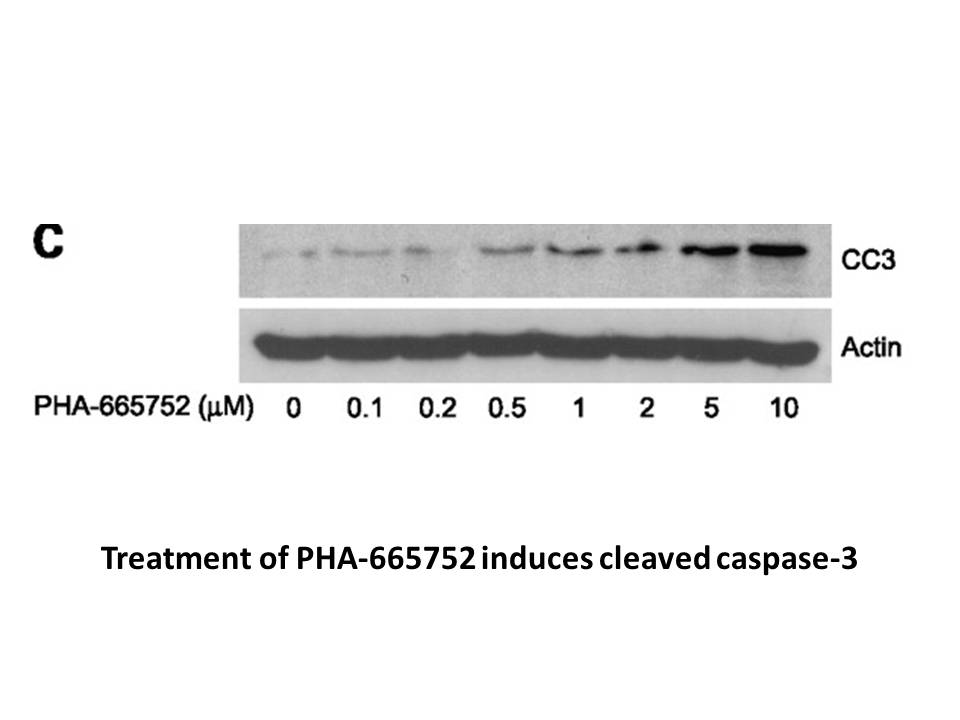
There are several reports providing evidences that functional and mechanistic connection between Sirt1 and LKB1/AMPK in metabolic regulation [26], [32], [33]. It has been reported that the deacetylation of LKB1 by Sirt1 is one of the determining factors of the subcellular localization of LKB1. In ag
Introduction Increasing environmental pollution caused
2024-06-12
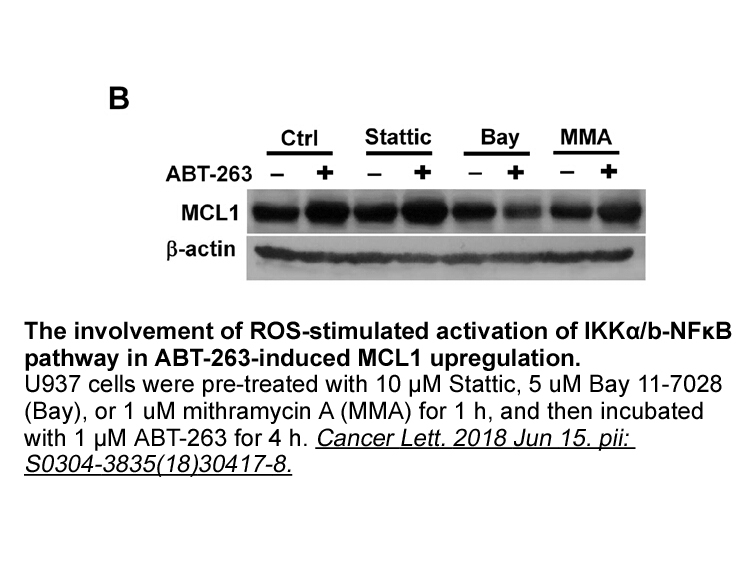
Introduction Increasing environmental pollution caused by heavy metals, originating mainly from industrial processes and urban activities, as well as the widespread application of pesticides, fertilizers, manure and sewage sludge, has posed a serious problem for safe food production and become a po
The dependence of blood cell production on a limited number
2024-06-12

The dependence of blood cell production on a limited number of HSC and HPC (hereafter collectively referred to as HSPC) means that protection from potential toxins is essential for maintenance of the hematologic system (see Fig. 1). For example, the generation of blood cells within the intramedullar
8150 records 174/544 page Previous Next First page 上5页 171172173174175 下5页 Last page